

There’s no such thing as bad weather with good preparation.
Okay, maybe the weather can get a bit extreme; this is Tofino, after all. But around here, a sideways November downpour isn’t a reason to stay inside. With the right gear, it’s an invitation to pull up your hood, grab something warm to drink and head out to watch the coast do what it does best.
If you’re visiting Tofino in the fall or winter, a good raincoat might be the most important thing you pack. And if you arrive without one, it’s a great excuse to shop local, and choosing Canadian-made rain gear where possible is an especially fitting way to gear up for the Raincoast.
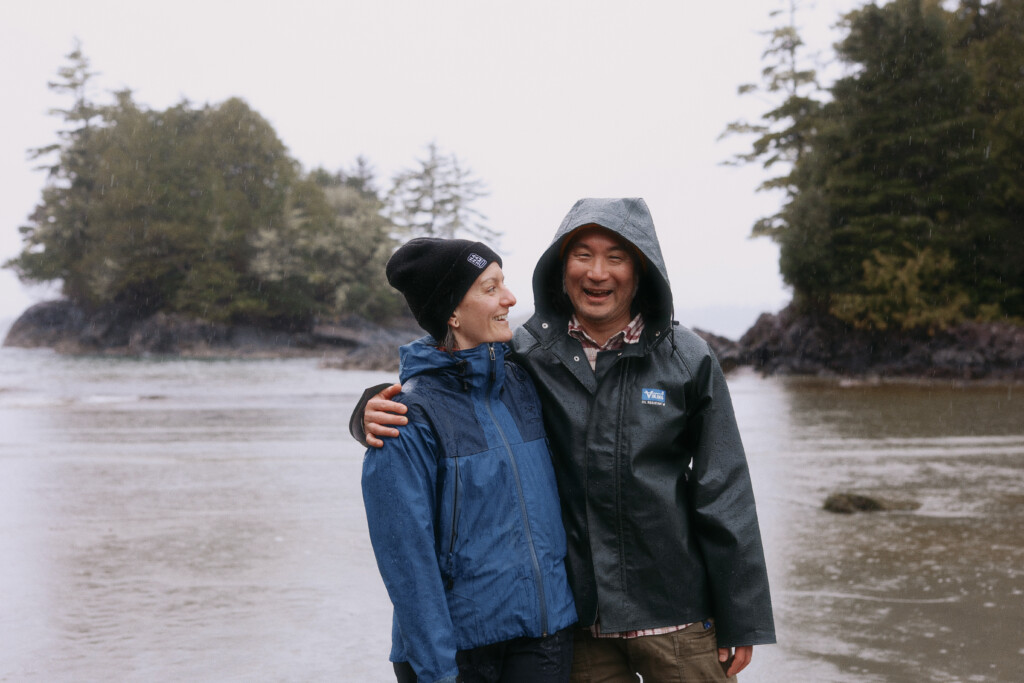
What makes the best raincoat for the west raincoast?
West Coast rain has a way of finding weaknesses. A jacket that works for a quick dash between the car and the grocery store may not hold up quite as well after an hour walking Tin wis Beach in wind-driven rain.
For Tofino weather, look for a few key features:
- Serious waterproofing. Check the jacket’s waterproof rating, usually expressed in millimetres. A 20,000 mm waterproof rating or higher is a good benchmark for prolonged exposure to heavy rain. Keep in mind that the number measures the waterproofness of the fabric itself, not the entire garment, so construction matters too.
- Waterproof zippers and sealed seams. Water loves openings. Quality waterproof zippers, properly sealed seams and thoughtful closures make a noticeable difference when the rain is coming at you horizontally.
- A proper hood-with a brim. A good hood should cinch securely around your head and move with you rather than disappearing in the first gust of wind. A structured brim is even better: it helps send water away from your face instead of directly down it.
- Flaps over the pockets. Because discovering that your phone, gloves and car keys have been sitting in two small pools of water is a lesson you only need to learn once.
- Length matters. Look for a coat long enough to cast the drips past your knees. A short jacket may keep your torso beautifully dry while directing an impressive amount of water directly onto your thighs.
- And don’t forget the rain pants. Pair your jacket with a good-quality waterproof rain pant. They may not be the most glamorous item in your suitcase, but halfway through a windswept beach walk, you’ll understand why they’re an essential in every locals closet.
- For truly wet conditions, rubber is hard to beat. Technical waterproof-breathable fabrics can be more comfortable when you’re moving, but when the objective is simply do not let the rain through, traditional rubberized rainwear remains wonderfully effective.
You’ll also want proper waterproof boots that come above the ankle. Sneakers and ankle-high shoes have a remarkable ability to find the deepest puddle. Taller waterproof boots are much better suited to muddy trails, wet grass and walks along the high-tide line.
A Few More Things to Pack
Once the rain gear is sorted, there are a few other items that make a fall or winter trip to Tofino considerably cozier.
Bring your favourite reusable mug. Tofino and hot beverages are natural companions, and there are few things better than wrapping cold hands around a coffee, tea or hot chocolate after a wet walk.
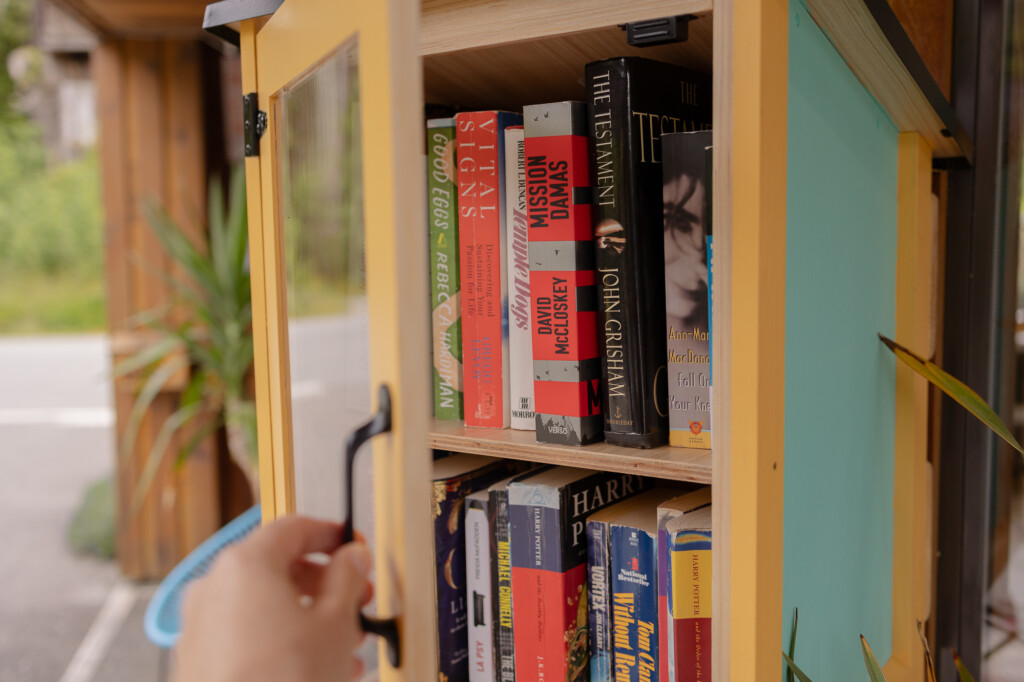
Pack a good book – the kind you actually want to spend an afternoon with while rain hits the windows. If you forget one or manage to smash your saga, don’t worry: we have a free library stocked with comfort reads, to borrow or trade.
Add warm and cosy layers, a toque and gloves and you’re well equipped for a wet coast day!
A Word About the Ocean
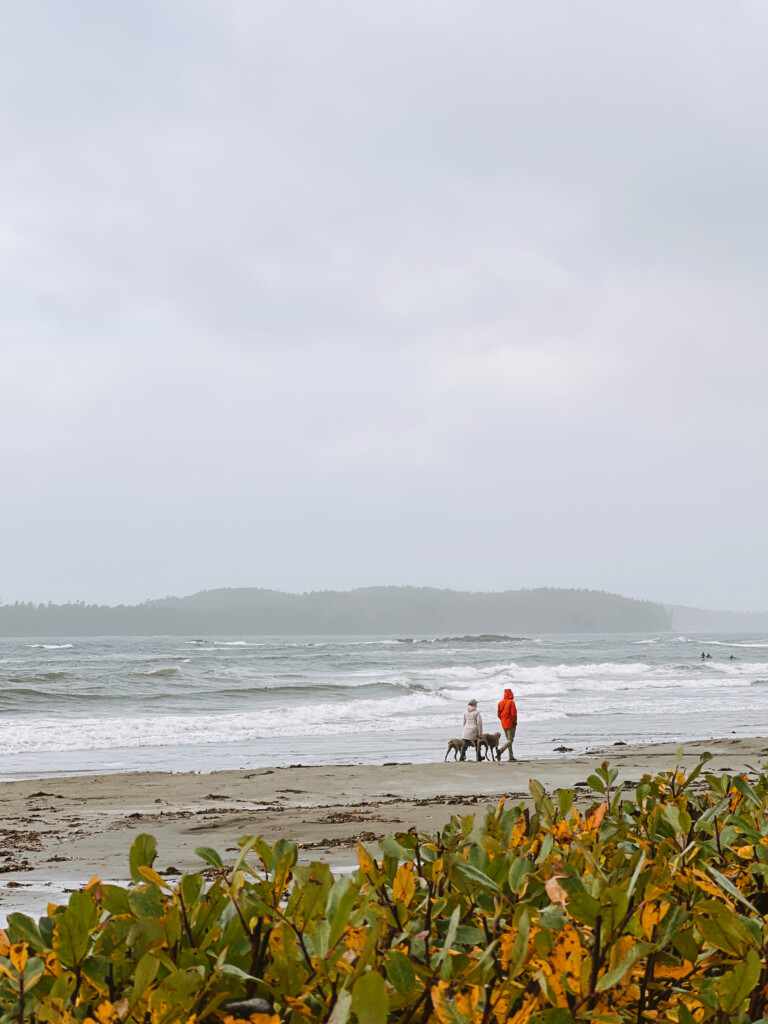
Fall and winter are spectacular times to experience Tofino’s beaches – but they’re also times to give the Pacific a little extra space.
Winter brings larger swell, higher tides, storm surges and unexpected waves. A stretch of sand that was wide and walkable when you headed out can look very different on the return trip. Rising tides can cut off access around rocks and headlands, and driftwood that looks immovable can be lifted and rolled by surprisingly little water.
Before heading out, check the tide and weather conditions, pay attention to beach signage and know whether the tide is rising or falling. Keep your eyes toward the ocean, give waves plenty of room, stay off rocks and driftwood during rough conditions, and don’t venture around headlands or into small coves when an incoming tide could cut off your route. There are no lifeguards on Tofino-area beaches…yet 😉
During particularly rough conditions, the safest storm watching is sometimes from a designated viewpoint rather than the beach itself.
Because the best storm-watching story is the one you get to tell afterward – with dry socks.
Embrace the Rain
Fall and winter in Tofino aren’t about waiting for the weather to improve. The weather is part of the experience.
The beaches get quieter. The swells get bigger. The rainforest somehow gets even greener. And after a few days here, you may find yourself looking forward to that familiar sound of rain hitting your hood.
So bring the long raincoat, pack the rain pants, pull on the rubber boots, fill your mug with something hot, and discover why we call this place the best coast!

